|
|
Guidelines - RISK REDUCTION
PRE-INJURY
Most concussive injuries are the unintended consequences of physical play - therefore, complete prevention is impossible. However, there are some approaches that may minimize the risk of occurrence. 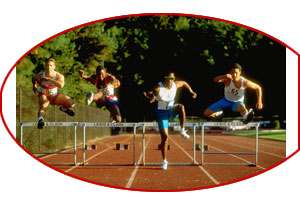
-
Proper safety equipment
-
Proper fit of equipment
-
No intentional head contact in games such as ice hockey and lacrosse
-
Proper sports techniques, such as safe tackling in football, checking in ice hockey and heading in soccer
-
Watch an excellent set of video clips with your hockey team at http://www.thinkfirst.ca/programs/smart_hockey.aspx
-
Respect for opponents and for the game
POST-INJURY
No more "dings". Players should not be encouraged to "shake it off" or return to play when still having symptoms. Once a concussion has happened, the best way to reduce the risk of compounding problems, prolonging recovery or worse (Second Impact Syndrome) is to recognize the injury, respond appropriately and have it managed thoroughly by an experienced team of clinicians. Second Impact Syndrome is believed to occur when a young athlete suffers another blow to the head or body while they are still symptomatic from a previous concussion, which results in severe brain swelling (cerebral edema) that often leads to permanent damage.
Click on the link to view first hand why there is such empahsis on reducing the risk of Second Impact Syndrome:

Avoid compounding the problem. Education of the signs and symptoms of concussion and proper recognition of injuries when they occur is paramount. Neuropsychological testing has been demonstrated to detect concussions more accurately than symptom reporting alone (Van Kampen, et al., 2006) and provides objective data about appropriate activities and return to play. The main message of the CDC (2017) is that proper management is the key for a thorough recovery and a good outcome athletically, academically and socially.
|